Before the Boxes: The Move-In Evidence Kit That Protects Your Deposit
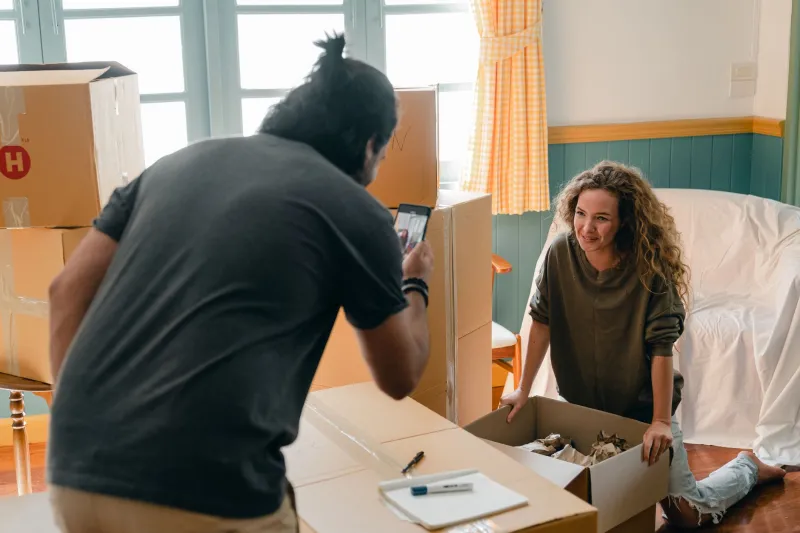
Moving day has a way of swallowing the details. You get the keys, the van is double-parked, someone is asking where the kettle goes, and the check-in report is waved under your nose while you are still working out which box has the toilet roll in it.
That is exactly the moment when a lot of deposit arguments are quietly born. Not because anyone is being shady, but because the paperwork is vague, the photos are rushed, and nobody has written down that the bedroom door already had a chunk missing before your sofa arrived.
Treat your first hour in the flat as evidence-gathering. Not in a dramatic, crime-scene way — just in a calm, organised way. You do not need a professional camera or a legal background. You need your phone, a pen, and the willingness to be a bit boring for twenty minutes.
Read the check-in report before you sign it
If the agent or landlord has produced an inventory or check-in report, read it before you sign. All of it. Yes, even the bit about the condition of the extractor fan.
You are looking for three things: whether it lists every room, whether it describes existing damage, and whether the wording is specific enough to mean anything. 'Clean throughout' is not useful. 'Oven clean, small chip to kitchen worktop near hob' is useful.
If something is missing or wrong, say so. You can sign and add a note that you are signing as received but with comments to follow, if that is what the agent allows. If they want a signature on a blank or vague form, ask for a copy and send your own written comments by email the same day. Keep it factual: room, item, issue, photo reference.
Do the meter run first
Before the boxes come in, photograph every meter. Gas, electricity, and water if you have access. Take one close-up where the reading is clearly legible, then a wider shot showing where the meter sits. Note the serial number if it is visible.
This is not just about deposit money. It stops the old 'you used more energy than you thought' conversation before it starts. It also gives you a dated record of the flat's utilities at the moment you took possession.
While you are at it, photograph the keys you were given. All of them, laid out on the worktop. It sounds fussy. It takes ten seconds. If there is ever a question about how many keys were handed over, you have an answer.
Photograph rooms in a repeatable order
Pick a route and stick to it: front door, hallway, living room, kitchen, bathroom, bedrooms, outside space. In each room, take three types of photo.
First, a wide shot from the doorway. Second, a mid-range shot of the main surfaces — walls, floor, ceiling, windows. Third, close-ups of anything that already looks tired: scuffs, chips, stains, cracks, limescale, peeling sealant, marks on the carpet, dents in the door.
Do not tidy the damage away. If the cupboard door already sticks, photograph it sticking. If the bathroom grout is discoloured, get down there and capture it. You are not being difficult; you are creating a baseline.
A short video walk-through is also worth doing. Narrate it as you go: date, time, room, and what you are seeing. Keep the original file. Do not edit it, crop it, or run it through a filter.
The spots that quietly cost renters money
Deposit deductions often live in the boring places. Photograph the inside of the oven, the grill pan, the extractor filter, the fridge seals, the washing machine drum, and the bathroom sealant. Capture the shower screen, the grout, the blinds, the curtain rails, the carpet edges, and the back of the kitchen cupboards.
Check the outside space too, if you have it. Balcony walls, drainpipes, garden fences, shed doors, and any outside tap. If a previous tenant left a mark, you want it on record before your stuff covers it up.
And if something is broken, report it as a maintenance issue as well as photographing it. A photo protects you at check-out; a repair request makes the flat better to live in now.
Timestamps, backups and the same-day email
Your phone's photo metadata is helpful, but do not rely on it alone. Take a photo of a dated document or simply state the date and time at the start of your video walk-through. Then send the whole lot to the agent or landlord the same day.
Use a clear subject line: 'Move-in condition report and photos — [address] — [date]'. Attach the images or send a shared link. Keep your own copy in a cloud folder. Rename files by room if you are feeling organised. You will thank yourself later.
That email does two things. It creates a dated paper trail, and it gives the landlord a fair chance to respond. Most deposit disputes are not about malice; they are about two people remembering the same flat differently. A shared record levels the playing field.
What to do when the check-in report is rushed
Sometimes the check-in clerk is in and out in seven minutes. It happens. If you feel rushed, ask them to note your comments on the report or in a follow-up email. If they will not, send your own schedule of condition within 24 to 48 hours — check your tenancy agreement for any specific deadline.
Be specific and unemotional. 'Bedroom two: 10cm scratch on floorboards near window, photographed at 14:32' is stronger than 'the flat was a bit tatty'. If the agent later disputes it, keep the tone neutral and point back to the dated evidence.
If the issue ever reaches a deposit protection scheme, adjudicators tend to favour clear, dated, consistent evidence over dramatic stories. You do not need to be a lawyer. You just need to be the person who wrote it down first.
The inventory is a shared document, not a trap
The best inventories are not weapons. They are just a sensible starting point. A good landlord wants the same thing you do: a clear record of what the flat was like when you moved in, so the end-of-tenancy conversation is about fair wear and tear, not guesswork.
So before the boxes go in, give the flat twenty minutes of quiet attention. Photograph the meter, the marks, the keys, and the corners. Send it all over. Then put the kettle on and get on with the move.
Your future self — the one filling out a check-out report and hoping for the deposit back — will be very glad you did.