Counting the Cycle: What a Flat Without a Washing Machine Really Costs
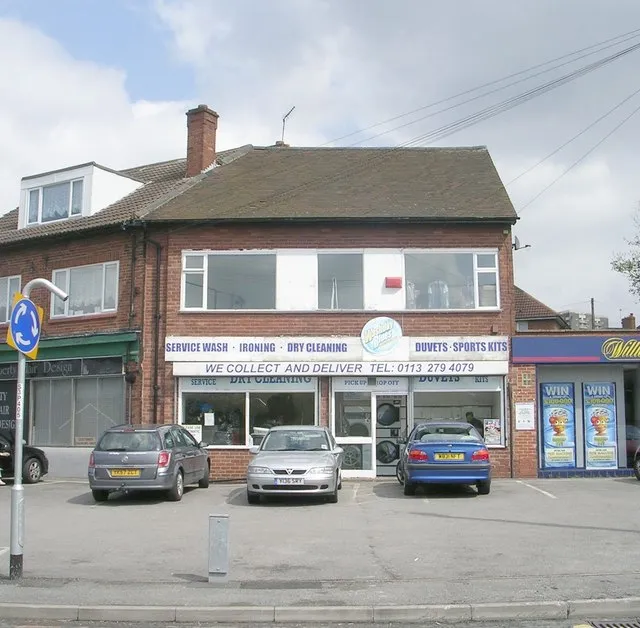
Photo: Betty Longbottom , CC BY-SA 2.0, via Wikimedia Commons
There’s a particular kind of flat that looks like good value on paper: slightly cheaper rent, decent location, maybe a bit more space — and no washing machine. The listing might call it a ‘laundry room on site’ or ‘local amenities nearby’. What it actually means is that your laundry becomes a recurring line item, with its own travel time, drying costs and low-level admin.
That doesn’t make it a bad flat. It just means the rent isn’t the whole rent. Before you sign, it’s worth pricing up the wash run properly.
First, count your real laundry week
Don’t guess from memory. Think about a normal week, not a holiday week or the week you washed the duvet. A single renter might do two or three loads; a couple might do three to five; anyone with kids or gym kit will be higher. Separate the ordinary stuff — clothes, towels, bedding — from the occasional bulky item.
Then note how you’d actually wash it. A self-service launderette cycle is usually cheaper than a service wash, but it costs you time. A service wash — where you drop it off and collect it later — is easier but pricier per load. In 2026, UK prices vary a lot by town, so use local quotes rather than national averages.
The four-line laundry ledger
Keep it simple. You’re not building a spreadsheet for a small business; you’re trying to see the monthly gap.
| Line | What to record | Illustrative weekly cost |
|---|---|---|
| Self-service washes | Number of loads × cycle price | 2 loads × £5 = £10 |
| Drying | Tumble dryer cycles, or airer/dehumidifier running cost | £4–£7 |
| Service-wash top-ups | Bedding, duvets or busy weeks | £0–£10 average |
| Travel | Bus, tube, petrol or a taxi with a heavy bag | £0–£6 |
That’s a rough weekly total of £18–£33, or roughly £78–£143 a month. Your numbers will differ, but the point is to replace a vague worry with a figure you can compare against rent.
The costs that don’t show up on the receipt
Money is only one line. Time is the other. A self-service wash plus drying can easily eat two hours a week once you include packing the bag, walking or travelling, waiting, and folding. That’s eight hours a month. If you’d rather spend that time working, resting or seeing people, it has a value — even if you don’t put an hourly rate on it.
Then there’s the hassle factor. Shared machines break. Someone leaves a cycle unfinished. The only dryer is taken on a Sunday. You buy a folding airer and a dehumidifier, which cost money and take up space in a flat that may not have much. You learn to check the weather before washing bedding. None of this is catastrophic, but it is a weekly tax on your attention.
Run the break-even before you sign
Here’s the simple comparison. Take the no-washer flat’s monthly laundry ledger — washes, drying, travel, occasional service wash, and a small amount for airer/dehumidifier running costs. Then compare it with the extra rent you’d pay for a flat that has a washer.
Say Flat A is £900 a month with no washer. Flat B is £975 with one. Your laundry ledger for Flat A comes to £95 a month, plus £12 travel and £5 for airer/dehumidifier running costs — about £112. The real gap is £87 a month in favour of Flat B, even though Flat B looks £75 more expensive.
Now reverse it. If Flat A were £150 a month cheaper, the laundry costs might still leave you ahead on money — but you’d be spending eight hours a month on the wash run. That might be fine. It might not. The ledger doesn’t decide for you; it just stops the decision being made by the headline rent alone.
When the no-washer flat still makes sense
Plenty of renters happily live without a washer. It can work if the launderette is genuinely two minutes away, if service washes are cheap and reliable, if you travel a lot, or if your tenancy is short. It can also work if the landlord is willing to install a machine — but get that in writing, with a clear date, before you sign. Don’t assume there’s plumbing just because there’s a gap in the kitchen.
A five-minute pre-signing check
- Find the nearest launderette and check its opening hours, last wash time and recent reviews for broken machines.
- Ask the price of a service wash and how long it takes.
- Check drying options at the flat: outdoor space, ventilation, anywhere to put an airer.
- If there’s a shared laundry room, ask what a cycle costs and whether it’s busy at weekends.
- Ask the landlord directly: can a washer be installed, and who pays for the plumbing and fitting?
- Read the tenancy for anything about appliances, water supply or building rules.
The bottom line
A flat without a washing machine isn’t automatically a bad deal. But the rent saving has to beat the laundry ledger — not just look neat on the listing. If the gap is smaller than your weekly wash run, you’re effectively paying for the privilege of carrying a laundry bag. Do the maths before you sign, and the bargain will either prove itself or quietly stop being one.