What the Bins Reveal: A Five-Minute Waste-Area Audit for Flat Viewings
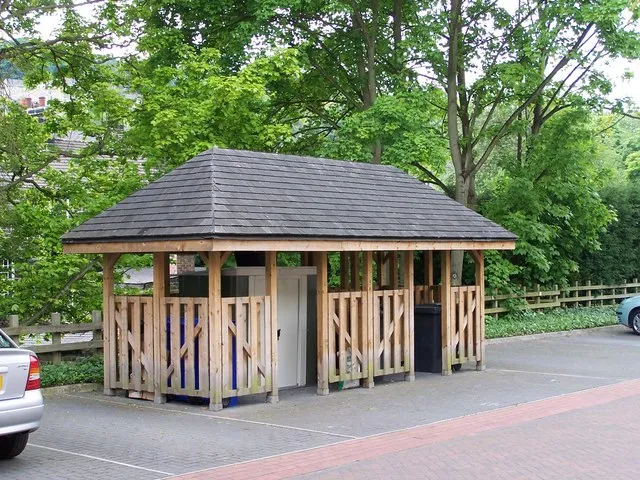
Photo: Terry Robinson, CC BY-SA 2.0, via Wikimedia Commons
When you view a flat, the agent will usually walk you through the kitchen, point at the storage, and maybe open a window to prove it works. Ask to see the bins. If they hesitate, that’s interesting. The waste area is not glamorous, but it is one of the most honest parts of any building. It tells you how the place is actually run once the viewing shoes are off and the real rubbish starts piling up.
Why the bins are a management X-ray
Communal waste is a shared responsibility. When it works, the bins are emptied, the area is clean, and the signs are clear enough that nobody has to guess where a pizza box goes. When it doesn’t, you get overflowing bins, smells, fly-tipping, broken locks, and a nagging feeling that nobody is really in charge.
You are not just renting a flat. You are renting into a block, a building, or a converted house with other people. The bin store is where those shared arrangements become visible. It can reveal whether the managing agent reacts, whether cleaners actually attend, and whether residents respect the rules. It is a free diagnostic test, and it takes about five minutes.
Start with your nose
Smell is the first check. A faint whiff on a warm day is normal. A wall of stale food waste is not. If the smell hits you before you reach the door, ask why. Persistent odour can mean missed collections, poor ventilation, bins that are never washed, or waste left on the ground for days. Check the floor, the corners, and the space behind the bins. Sticky patches, stains, and scattered recycling are all clues.
Also think about where the bin store sits relative to the flat. If it is directly below a bedroom window or beside a balcony, summer could be less pleasant than the viewing suggests. Ask the agent whether the flat has had complaints about smells or pests. They may not know, but the question is worth asking.
Access and security
Can you get in? Is it a fob, a keypad, a key, or just a door that is always propped open? A bin store that is permanently open invites fly-tipping and pests. One that is locked with no information is just annoying. Check the lighting. Would you feel comfortable taking rubbish out after dark? Look for CCTV, signs, or any evidence that the area is monitored.
If access is through an alley or a back path, is it safe and clear? Is the route blocked by bins? Could you get through with a buggy, a bike, or a wheelchair? If you have mobility issues, ask how the bins are reached and whether there is an alternative arrangement. Small access details become daily irritations if they are wrong.
Read the signage like a detective
Signs tell you the rules: collection days, what goes in which bin, and what should not be left there. Missing signs can mean confusion, contamination, and a bin store that slowly turns into a dumping ground. Look for notices from the council or the managing agent. Are they current? If a sign says no bulky waste but there is a mattress leaning against the wall, ask how bulky collections are arranged.
Recycling rules vary across the UK, and they can be genuinely confusing. Check whether the block has mixed recycling, separate food waste, glass points, or anything else. If the instructions are unclear, ask the agent. In 2026, with councils taking different approaches, you do not want to discover the rules through a warning sticker six weeks after moving in.
Overflow, fly-tipping and bulky waste
Full bins on collection day might just be timing. Full bins several days after collection are a red flag. Overflow bags stacked beside the bins can attract foxes, gulls, and rats. Fly-tipping in the bin area suggests either poor management or residents who have given up. Neither is ideal.
Bulky waste is worth asking about directly. Old sofas, mattresses, and broken fridges do not disappear by magic. Ask who arranges collection, whether the council offers a bulky waste service, what it costs, and whether the landlord or agent handles it. If you are renting furnished and need to remove an item, find out the process before you sign. Do not assume the bin store is a free-for-all.
Collection days and the flat’s daily rhythm
Find out which day the bins go out. If residents wheel them to the kerb, who does it? If the managing agent arranges it, how reliable are they? If the flat has a chute, check where it lands and whether it is noisy. Chutes are convenient, but they can also block, smell, and wake you up if they are next to a bedroom.
Think about noise. Early morning collections can be loud, especially if the bin store is near the flat. If you work from home, that matters. If you are a light sleeper, it matters more. Ask the agent if they know the collection schedule, and if not, check the council’s website for the area.
Communal responsibilities: who does what
Ask the agent who manages the waste. Is it the landlord, the managing agent, the council, or a combination? Who cleans the bin store, and how often? Are there service charges that cover waste management? If bills are included, does that include bulky waste or just general rubbish? What happens if someone fly-tips, and who do you report it to?
A good agent will have answers, or at least know where to find them. A vague “it’s managed” is a yellow flag. You do not need a full facilities report, but you do need to know who to call when the bins are overflowing and the smell is drifting into your kitchen.
A five-minute viewing checklist
- Stand at the entrance and check for smell, litter, and stains.
- Test the door, lock, and lighting. Does it close properly?
- Look at the bins. Are lids closed? Are they overflowing? Are the right bins there?
- Read the signs. Collection day, recycling rules, bulky waste instructions.
- Check the floor and corners for fly-tipping, pests, or broken glass.
- Ask where the bins are kept and whether collection is kerbside or communal.
- Ask who cleans the area and who to report problems to.
- If possible, visit near collection day to see how it really works.
Red flags versus ordinary annoyances
Not every imperfect bin store is a dealbreaker. One full bin before collection is normal. A bit of graffiti is cosmetic. But persistent overflow, strong smells, broken access, missing signage, fly-tipping, signs of pests, and unclear responsibility are worth pushing on. If the agent dismisses your concerns, think about how they might handle a repair or a neighbour dispute later.
The bin store will not make or break a tenancy on its own. But it is a low-effort check that tells you whether the building is run with care. Five minutes at the bins can save you months of holding your nose and wondering who is supposed to sort it out.
The bottom line
Ask to see the bins. Take a photo or two. Ask the awkward questions about collection days, cleaning, and bulky waste. If the area smells, is locked without information, overflows regularly, or feels confusing, get answers before you sign. You are renting the flat, but you are also living with the building’s waste. A tidy bin store will not guarantee a great landlord. A chaotic one rarely signals one.