The Empty-Cupboard Illusion: Measuring a Flat’s Real Storage Before You Sign
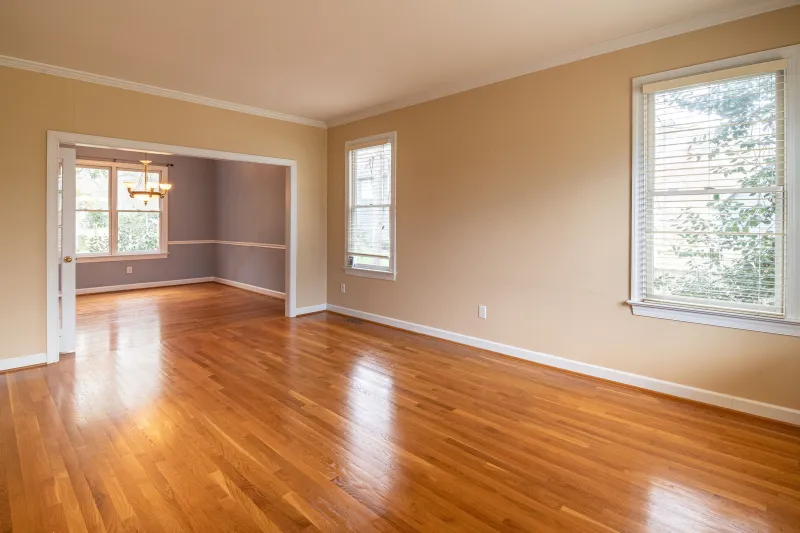
Photo: empty fitted wardrobe interior with tape measure flat viewing UK, via images.pexels.com
A flat can feel generously spaced when the cupboards are empty and the floors are clear. Then you move in, and within a fortnight the hallway is a obstacle course of shoes, the wardrobe rail is groaning, and the suitcase you use twice a year is living under the kitchen table. Storage is one of the least glamorous parts of flat-hunting, but it is one of the fastest ways to turn a good flat into a daily annoyance.
The trick is to stop judging storage by how tidy a flat looks when it is empty. Judge it by dimensions, access and whether your actual life — bike, pram, bedding, bulk-buy loo roll and all — can fit inside it.
Start with your own inventory, not the flat
Before you view anywhere, make a list of the awkward stuff. Not the sofa and the plates; the things that need a home of their own. A bike. A folded pram. A set of suitcases. A vacuum cleaner. An ironing board. Sports kit. Tools. A Christmas box. Pet supplies. Work equipment. Whatever you already own that does not happily live in a drawer.
Measure the largest items at home — folded pram, suitcase, bike frame — and keep those numbers on your phone. If you cannot picture each item in a specific spot in a flat, that is not a sign to be optimistic. It is a sign to keep looking or start asking harder questions.
The tape-measure basics
Take a tape measure to viewings. It looks fussy for about thirty seconds and then saves you months of irritation.
Measure cupboards internally: width, depth and height. Then measure the usable height after any shelf or rail. A wardrobe that is 60cm deep is useful; one that is 45cm deep will struggle with a standard coat hanger turned sideways. Check rail height too — adult clothing needs roughly 90cm to 110cm of hanging drop depending on what you wear, and a rail crammed at the top of a short cupboard is not real storage.
Depth is the number people forget. Suitcases are deep. Bikes are long. Prams are bulky even folded. A cupboard can look substantial from the doorway and still fail the suitcase test.
Hallway: the overlooked workhorse
The hallway is where real life enters the flat: coats, shoes, parcels, wet umbrellas, the pram you cannot fold one-handed. Check whether there is actual space for a shoe rack or coat hooks without blocking a door swing or a fire escape route.
If the hallway is narrow, measure it. A 90cm-wide hall sounds fine until a folded pram lives there. Ask where bikes and prams are meant to go if they cannot live inside the flat. Communal halls are not free storage — and in many buildings, blocking them is a fire-safety problem.
Bedroom: wardrobes, under-bed and the loft question
Open every wardrobe. Count the usable shelves. Measure the rail length. A short rail holds fewer hangers than you think once winter coats are on it. Look for wasted corners, awkward angles and cupboards half-occupied by a boiler or consumer unit.
Under-bed space is useful if the bed is yours or if the landlord’s bed lifts. Measure the clearance; low boxes need roughly 25cm to 30cm. If the bed is staying and does not lift, that storage is not yours.
Ask directly about loft access. A hatch is not the same as usable storage. Is it boarded? Is there a ladder? Is it lit? Are tenants actually allowed to use it? Plenty of lofts are hatch-only, insulation-filled or reserved for the landlord.
Kitchen: cupboards can be more style than substance
Kitchen cupboards often look plentiful until you notice the corner dead zones, the boiler cupboard and the fridge that eats a whole run. Measure shelf depth and count how many shelves you can actually use.
Then think about the bulky things: microwave, air fryer, slow cooker, baking trays, cereal boxes, bulk-buy rice. If there is no pantry or larder, where do those go? A kitchen with no space for dry goods pushes the overflow into the hallway or living room. Check bin placement too — a flat with nowhere for a bin is a flat that will always feel cluttered.
Bathroom, linen and cleaning kit
Where do towels, bedding, spare loo roll and cleaning products live? A bathroom with no cupboard means the bedroom wardrobe absorbs the linen, which leaves less room for clothes. An airing cupboard with a boiler in it may only offer a shelf or two.
This is not glamorous, but it is the sort of detail that decides whether a flat works on a wet Tuesday in February.
The awkward stuff: bikes, prams, suitcases and seasonal gear
Ask where the bike goes. Inside the flat? A secure communal store? A stairwell that everyone uses but nobody should? Check access width and corners — a bike that cannot turn into the hallway is not stored, it is abandoned.
For prams, bring the folded dimensions if you have them. For suitcases, decide whether they can nest inside each other and where the empty set will live. Seasonal gear — fan, heater, Christmas decorations, camping kit — needs a home too. If the answer is the top of a wardrobe, measure whether you can safely reach it.
Questions to put to the agent
- Which cupboards are exclusively mine, and which contain landlord equipment?
- Is loft space included, and is it boarded, lit and safely accessible?
- Where do other residents store bikes and prams?
- Is there a bike store, and is it secure, covered or charged extra?
- Can I add shelving or hooks, and what does the tenancy say about fixings?
- Is the furniture staying, and does the bed have storage?
- Are there restrictions on storing items in communal halls?
Get the important answers in writing, especially if storage is part of why you are choosing the flat.
Warning signs that storage is an illusion
The flat looks immaculate because it is empty and has no evidence of daily life. Every cupboard contains a boiler, a consumer unit or landlord clutter. Wardrobes are shallow, rail-less or too short. There is nowhere obvious for a vacuum or ironing board. The hallway is too narrow for a pram and there is no lift. The loft hatch is described as available but has no ladder or boarding. The floor plan hides the fact that a bed and a wardrobe will not comfortably share the main bedroom.
Do the second viewing with a tape measure
Return once with your tape measure and your awkward-item list. Open every door. Check that cupboard doors open fully. Take photos with measurements written down. Stand in the hallway and imagine arriving home wet, with shopping, a bike and a pram. Where does it all go?
Floor area is where you live. Storage is where your life actually goes. If a flat fails the storage audit, you can ask the landlord to add shelving or a bike store — but if the answer is no, believe it. A flat that cannot store your things will quietly cost you in clutter, stress and possibly a storage unit you never planned to rent.